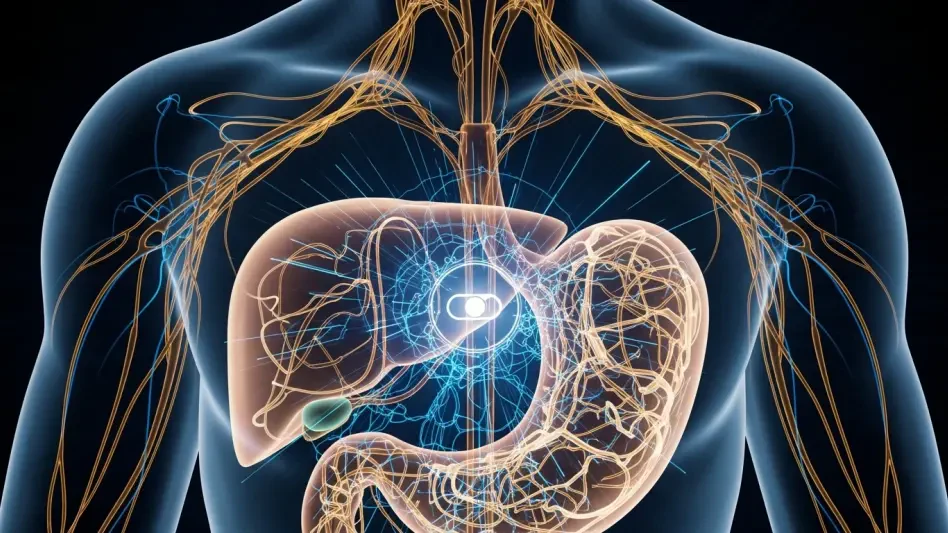

Recent clinical observations have fundamentally shifted the understanding of metabolic procedures from simple mechanical restrictions to complex biological recalibrations that synchronize the body’s internal systems. While the public often perceives these surgeries as a way to physically limit food intake, modern medical data indicates a much more profound reorganization of the endocrine and neurological pathways. The procedure essentially acts as a molecular switch, altering the chemical signals sent between the stomach, the brain, and the liver almost immediately after the operation is completed. This synchronization process is critical because it addresses the underlying metabolic dysfunction that often prevents long-term success through lifestyle changes alone. By the middle of 2026, the focus of the surgical community has moved toward leveraging these systemic changes to treat conditions like type 2 diabetes and non-alcoholic fatty liver disease with unprecedented precision and efficacy in various patient populations.
The Physiological Alignment: Beyond Mechanical Restriction
Hormonal Recalibration: Silencing The Hunger Signals
One of the most immediate effects of surgical intervention involves the rapid recalibration of the endocrine system, specifically the hormones responsible for satiety and glucose regulation. In the days following a bypass or sleeve gastrectomy, the levels of glucagon-like peptide-1 and peptide YY increase significantly, leading to improved insulin secretion and a more balanced metabolic rate. These hormonal shifts are not merely a byproduct of weight loss but are triggered by the altered path of nutrients through the digestive tract. This new nutritional route forces the distal part of the small intestine to respond earlier than it normally would, creating a feedback loop that tells the brain the body is nourished far sooner. Furthermore, the reduction in ghrelin, the primary hunger hormone produced in the stomach lining, effectively silences the constant biological drive to consume calories, allowing the patient’s internal clock to reset to a more sustainable metabolic rhythm.
Chemical Signaling: The Role Of Bile And Microbes
Beyond the immediate hormonal response, bariatric surgery facilitates a deep synchronization of the gut microbiome and bile acid signaling pathways which are vital for lipid metabolism. Research conducted throughout 2026 has shown that the alteration of the gastrointestinal anatomy leads to an increase in circulating bile acids that act as signaling molecules via the farnesoid X receptor. These molecules help regulate cholesterol levels and glucose homeostasis, acting as a chemical bridge between the gut and the liver. Simultaneously, the gut’s microbial diversity undergoes a radical transformation, favoring species that promote lean phenotypes and reduce systemic inflammation. This shift in the internal ecosystem ensures that the various organs are not working in isolation but are instead receiving a unified set of signals that promote metabolic health. As the microbiome stabilizes, the body’s ability to manage inflammation improves, creating a more harmonious environment for the heart and kidneys.
Long-Term Clinical Outcomes: Sustaining The Internal Harmony
The integration of surgical techniques with personalized medicine paved the way for a more holistic approach to treating obesity as a systemic failure of organ communication. Physicians observed that the rewiring of the gut-brain axis provided a more durable solution to metabolic syndrome than traditional pharmacological interventions had previously achieved. Clinical protocols in 2026 successfully integrated post-operative monitoring of these biological markers to ensure that the synchronization process remained stable over several years. The realization that the surgery acted as a catalyst for cellular communication encouraged researchers to develop non-invasive therapies that mimicked these specific chemical shifts. Ultimately, the focus shifted from the quantity of weight lost to the quality of the metabolic harmony restored within the patient’s body. This shift in perspective ensured that the medical community addressed the root causes of metabolic decay, providing patients with a sustainable path toward systemic health and long-term vitality.