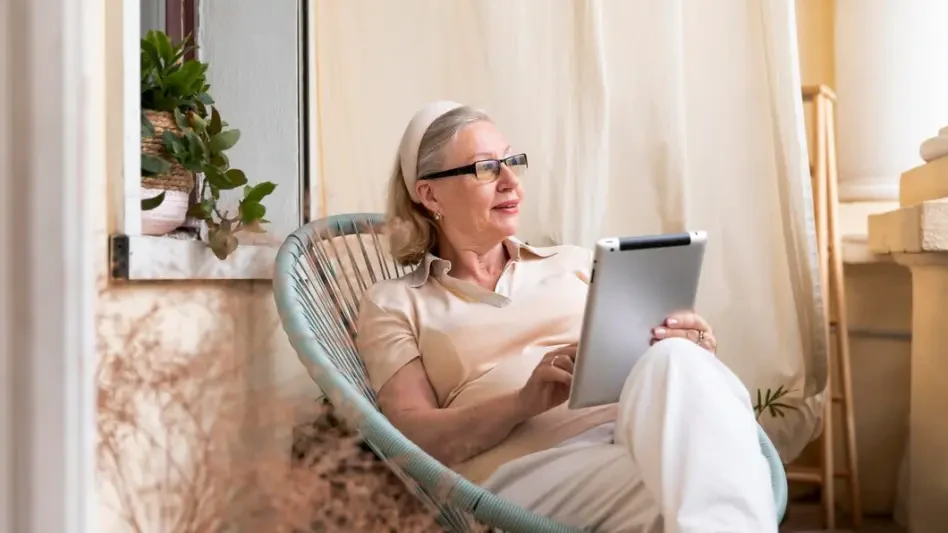

The deeply ingrained human desire to age with dignity within the familiar walls of one’s own home is increasingly colliding with a healthcare system ill-equipped to support this fundamental aspiration. For millions of older adults, the goal of aging in place represents a final chapter of autonomy, comfort, and connection. Yet, this universal dream is often shattered by a silent and pervasive threat that turns the home from a sanctuary into a site of risk, triggering a devastating cycle of hospitalization, functional decline, and loss of independence. Understanding this challenge is the first step toward building a new model of care that honors the wishes of seniors by empowering them to live healthier, safer lives where they most want to be.
The Unspoken Hurdle: Why is the Universal Dream of Aging at Home So Hard to Achieve?
The primary obstacle standing between an older adult and their ability to live independently is often frailty. This is not a specific disease but rather a complex clinical syndrome characterized by a collection of debilitating symptoms: pervasive weakness, chronic fatigue, poor balance, diminished physical strength, and unintentional weight loss. These factors, whether appearing alone or in combination, severely undermine a senior’s resilience, making it profoundly difficult to recover from even a minor illness, injury, or medical procedure. Frailty erodes the body’s built-in reserves, leaving an individual vulnerable to a sudden and significant decline in health.
When frailty is not proactively identified and managed, its consequences can be severe and far-reaching. It is a powerful predictor of negative health outcomes, dramatically increasing the risk of falls, extended hospital stays, cognitive impairment, and subsequent readmission. Each of these events can act as a trigger, initiating a downward spiral that progressively chips away at an individual’s functional ability. What begins as a desire to remain at home can quickly become an untenable situation, forcing difficult decisions about long-term care and creating immense emotional and financial strain for both seniors and their families.
A Silver Tsunami Meets a Strained System: Understanding the Scale of the Challenge
The personal challenge of frailty is amplified by an unprecedented demographic shift that is reshaping the nation. The population of Americans aged 65 and older is projected to swell by 47%, growing from 58 million to an estimated 82 million by 2050. At that point, this demographic will represent nearly a quarter of the entire population. This “silver tsunami” presents a monumental challenge to a healthcare infrastructure that was not designed to support such a large and medically complex group of older adults.
This demographic reality is compounded by the high prevalence of chronic health issues among seniors. According to the National Council on Aging, nearly 95% of older adults are managing at least one chronic condition, and a significant majority are dealing with two or more. This makes them frequent users of the healthcare system, with seniors accounting for over 40% of all hospitalizations each year for everything from fall-related injuries to complications from long-term illnesses. These hospital stays are not only economically burdensome, with average costs soaring as high as $11,900 per admission, but they also serve as a critical inflection point where an older adult’s independence is often lost for good.
The Revolving Door: Breaking Down the Costly Cycle of Frailty and Rehospitalization
A hospitalization frequently initiates a disruptive cycle of decline, but the true crisis often emerges after discharge. Preventable hospital readmissions represent a staggering drain on the healthcare system, costing more than $50 billion annually. Research illuminates the vulnerability of older populations, with one Yale study revealing alarmingly high readmission rates within 180 days for specific groups: 36.9% for frail patients, 39% for those with probable dementia, and 36.8% for individuals aged 90 and older. These figures paint a clear picture of a “revolving door” phenomenon, where seniors leave the hospital only to return weeks or months later in a more debilitated state.
The root causes of these avoidable rehospitalizations are multifaceted, stemming from both systemic gaps and individual risk factors. Systemic issues often include inadequate post-discharge support for patients and their caregivers, a lack of clear communication between providers, and a failure to address the underlying conditions that led to the initial admission. On an individual level, factors such as a lack of follow-through with appointments, confusion over complex medication regimens, and poor social support significantly increase the likelihood of a return trip to the hospital. Other common risk factors include advanced age, malnutrition, low socioeconomic status, and the presence of multiple co-morbidities like heart failure or liver disease.
Beyond the Numbers: A Human-Centered Approach to Geriatric Care
To break this costly cycle, healthcare organizations are shifting their focus from reactive treatment to proactive prevention, driven by a more intelligent use of data. This does not always require high-tech, massive datasets; often, the most powerful insights come from asking the right questions. A simple, well-designed survey can yield a wealth of actionable information by focusing on a fundamental inquiry: “What does our population need to avoid readmission to the hospital?” By analyzing health indicators, medication histories, and personal care plans, providers can identify trends in risk factors and pinpoint where targeted interventions will have the greatest impact.
This data-driven approach enables a profound personalization of care, allowing for tailored support that addresses the unique circumstances of each individual. It moves beyond a one-size-fits-all model to enhance care coordination, improve communication between providers and patients, and deploy resources more effectively. However, the ultimate measure of success lies beyond the numbers on a spreadsheet. The true goal is not merely to reduce costs but to ensure that older adults can manage their health in a way that aligns with their personal goals for quality of life, independence, and emotional well-being. This requires a holistic approach that provides not only effective medical treatment but also the social and emotional support necessary for a fulfilling life.
A Blueprint for Independence: Building an Effective Aging-in-Place Program
The most promising solution for achieving these goals is the implementation of comprehensive, evidence-based aging-in-place programs. These initiatives are designed to be proactive, beginning with screenings and assessments that identify frailty and fall risks before they escalate into a crisis. By uncovering the root causes of these risks, these programs can implement effective interventions that build resilience and empower seniors to maintain their health at home. For health plans, such a program can significantly reduce the total cost of care while improving critical quality metrics.
An effective aging-in-place support program is built on several key components. It begins with a dedicated care manager who serves as a single, trusted point of contact, guiding the individual through their healthcare journey. This manager is supported by a multi-disciplinary team of pharmacists, social workers, nurses, and therapists who provide a layered network of expertise. This team coordinates education and referrals to a vetted network of services, from home modification companies to caregiver agencies, ensuring that practical needs are met.
Furthermore, a successful program utilizes an omnichannel communication strategy that respects personal preferences, using everything from text messages and apps to traditional phone calls to stay connected. At its core, this entire framework is built on a whole-person care philosophy. It engages seniors in a positive, collaborative experience designed to avert the risks of frailty, falls, and unplanned hospitalizations, ultimately helping them achieve their deeply held desire to age with dignity and independence at home.
The path forward was illuminated by a fusion of data-driven strategy and deeply personal care. The integration of targeted analytics, direct personal surveys, and one-on-one interactions offered a powerful model for transforming geriatric support. This approach recognized a fundamental truth: behind every data point was a unique individual with personal expectations and the deeply held goal of aging in their own home. By honoring this aspiration, the healthcare system took a significant step toward a more humane and effective model of care for its oldest and most vulnerable members.