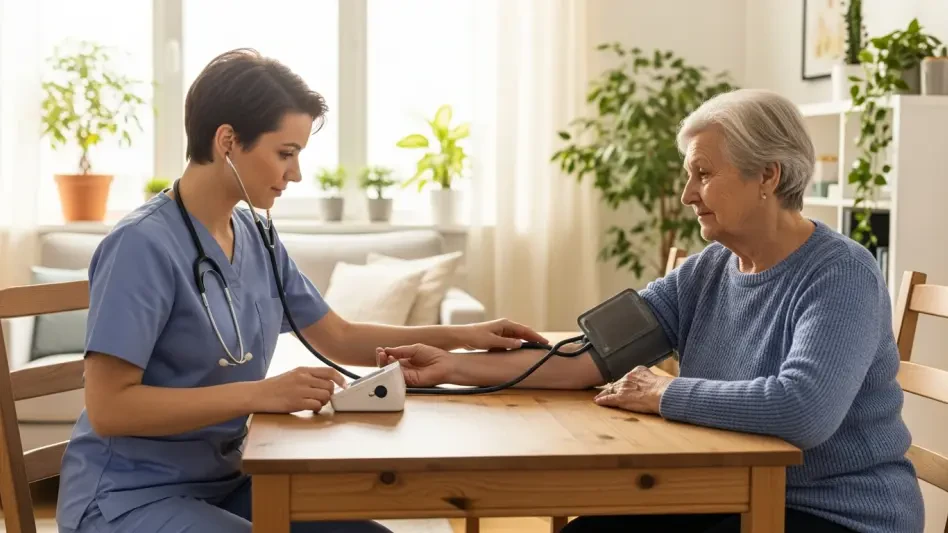

The image of a patient sitting on a crinkly paper-covered exam table is rapidly becoming a relic of the past as medical services migrate into the living rooms of millions of Americans. What began as a crisis-driven necessity has solidified into a fundamental restructuring of the United States healthcare delivery system, marking a definitive departure from the traditional clinic-centric approach. This transition is not merely about convenience; it represents a sophisticated “system-to-patient” model that prioritizes the individual’s environment as a critical component of clinical success. By dismantling the geographical and logistical barriers that once dictated how care was accessed, providers are now able to reach populations that previously fell through the cracks of a rigid, facility-based framework. This evolution reflects a broader societal demand for personalized, high-touch medical interactions that align with the digital and on-demand nature of modern life.
Beyond the clinical benefits, the shift to home-based care provides healthcare professionals with an unfiltered window into the social determinants of health that are often invisible in a sterile office setting. When a clinician enters a private residence, they gain immediate insights into a patient’s actual living conditions, such as the availability of fresh food, the safety of the physical layout, and the presence of adequate heating or cooling. These environmental factors frequently play a more significant role in long-term health outcomes than the physiological data gathered during a brief consultation. For instance, identifying a trip hazard or a malfunctioning refrigerator can prevent a hip fracture or a case of malnutrition before they necessitate an emergency room visit. This level of transparency allows for a more holistic and accurate assessment of a patient’s needs, enabling the healthcare system to intervene with social supports and community resources that address the root causes of illness rather than just treating the symptoms.
Enhancing Patient Experience and Accessibility
The Evolution of Consumer Expectations
Modern healthcare consumers are no longer willing to tolerate the systemic friction that has characterized the medical experience for decades, leading to a significant drop-off in traditional office visits. Navigating the complexities of urban traffic, securing reliable childcare, and losing hours of productivity in a waiting room are hurdles that often discourage individuals from seeking necessary preventative care or managing chronic conditions. This is particularly true for the Medicare-eligible population, where mobility issues or the lack of specialized transportation can turn a simple check-up into an all-day ordeal. As other sectors of the economy have transitioned to on-demand, home-delivered models, the expectation for similar agility in healthcare has become a baseline requirement for patient satisfaction. Consequently, health plans that fail to provide a seamless, home-integrated experience risk losing engagement with their most vulnerable members.
The integration of medical services into the domestic sphere effectively removes the psychological and physical deterrents that lead to skipped appointments and non-compliance. By bringing the “clinic” to the doorstep, providers can capture a segment of the population that has historically been labeled as “non-compliant” but was actually just underserved by a rigid infrastructure. This model fosters a sense of empowerment among patients, as they receive care in a space where they feel most in control and comfortable. Furthermore, the reduction in logistical stress often leads to more productive interactions between the patient and the provider, as the focus remains entirely on health rather than the exhaustion of the journey. This shift in power dynamics—from the provider’s territory to the patient’s sanctuary—is proving to be a catalyst for higher engagement rates and a more proactive approach to personal wellness management.
The Value of Human Connection and Social Support
For a significant portion of the aging population, the arrival of a healthcare professional at their front door represents a vital social touchpoint that combats the growing epidemic of loneliness. Social isolation has been clinically linked to a variety of adverse health outcomes, including increased risks for heart disease, cognitive decline, and depression. A home visit transcends the clinical checklist; it provides a moment of genuine human connection that reinforces the patient’s value within the healthcare ecosystem. This personalized attention builds a deep reservoir of trust, making patients more likely to share sensitive information about their mental state or lifestyle challenges that they might withhold in a busy, impersonal clinic. The presence of a clinician in the home offers a unique form of psychological reassurance, signaling to the patient that their health plan is invested in their well-being on a personal level.
This enhanced rapport directly correlates with improved treatment adherence and better overall clinical data quality. When a patient feels seen and heard in their own environment, they are more inclined to follow through with complex medication regimens or lifestyle modifications prescribed by their care team. The informal nature of a home visit often allows for more thorough education, as the clinician can use the patient’s own kitchen or bathroom to demonstrate how to manage medical equipment or organize prescriptions. This hands-on teaching method is far more effective than providing a printed pamphlet at the end of a rushed office visit. Ultimately, the social bond formed during these encounters acts as a stabilizing force, creating a supportive network that extends beyond the physical examination and into the patient’s daily life, fostering a more resilient and compliant population.
Strategic Advantages for the Healthcare System
Bridging Gaps in Care and Improving Outcomes
From a strategic and operational standpoint, the home-based model is the most effective tool available for health plans to close persistent gaps in preventative care and routine screenings. Traditional methods of encouraging members to visit external labs for blood work or imaging often result in low completion rates due to the aforementioned barriers of time and transportation. By deploying mobile units and in-home clinicians equipped with portable diagnostic technology, health plans can conduct essential screenings—such as diabetic eye exams, bone density tests, and colorectal screenings—right at the kitchen table. This proactive approach ensures that chronic conditions are monitored consistently and that new issues are detected in their earliest, most treatable stages. The ability to perform these services in the home environment significantly boosts a plan’s quality ratings and ensures a more accurate reflection of the population’s health status.
The financial implications of this model are profound, as increased engagement leads to a marked reduction in high-cost medical interventions. By managing chronic diseases like hypertension, heart failure, and diabetes within the home, the healthcare system can avoid the “revolving door” of emergency room visits and hospital readmissions that drain resources. In-home care allows for real-time adjustments to treatment plans based on actual patient behavior and environmental factors, preventing minor health setbacks from escalating into full-blown crises. This shift toward a preventative, home-based buffer changes the cost-benefit analysis for insurance providers, moving the focus from reactive acute care to sustainable long-term health maintenance. The result is a more efficient allocation of capital and clinical labor, where the goal is to keep patients healthy in their communities rather than treating them once they have already become critically ill.
Future Implications for Population Health Management
The trajectory of the healthcare industry points toward a sophisticated hybrid model that seamlessly blends high-tech virtual consultations with high-touch physical home visits. This dual approach leverages the speed and scalability of telehealth for routine inquiries and follow-ups while reserving in-person home visits for complex assessments and physical procedures. This integration allows for a continuous stream of data flowing from the home to the clinical team, enabling a level of remote monitoring that was previously impossible. As wearable technology and smart home sensors become more prevalent, the home will function as a decentralized node in a vast medical network, providing real-time alerts to providers when a patient’s vital signs or activity patterns deviate from the norm. This transition turns the home into the primary site of data collection, offering a more comprehensive and accurate picture of population health than any centralized facility.
Moving forward, the success of healthcare organizations will be defined by their ability to master the complexities of domestic logistics and personalized care delivery. The “system-to-patient” framework requires a reimagining of workforce training, focusing on clinicians who are not only technically proficient but also skilled in navigating diverse social environments with empathy and cultural competence. Organizations must invest in robust mobile technology platforms that can coordinate thousands of dispersed visits while ensuring data security and clinical consistency. As the industry continues to evolve, the home will no longer be considered an alternative site of care but rather the foundational pillar upon which all other services are built. By centering the medical experience on the reality of the patient’s daily life, the healthcare system can finally achieve the elusive goals of improved outcomes, lower costs, and a more compassionate standard of service.
The shift toward in-home care transitioned from a temporary pandemic response to a cornerstone of modern medical strategy. Organizations successfully integrated environmental assessments into clinical protocols, effectively identifying social barriers that previously hindered patient recovery. By prioritizing accessibility and human connection, the industry established a new benchmark for engagement that favored the patient’s convenience over institutional tradition. Future initiatives should focus on scaling these hybrid models and refining the use of remote monitoring technology to ensure that the home remains a safe and effective site for complex medical management. Providers and insurers must continue to collaborate on reimbursement structures that recognize the diverse value of home-based interventions, ensuring that this empathetic and efficient pathway to population health remained sustainable for the long term.