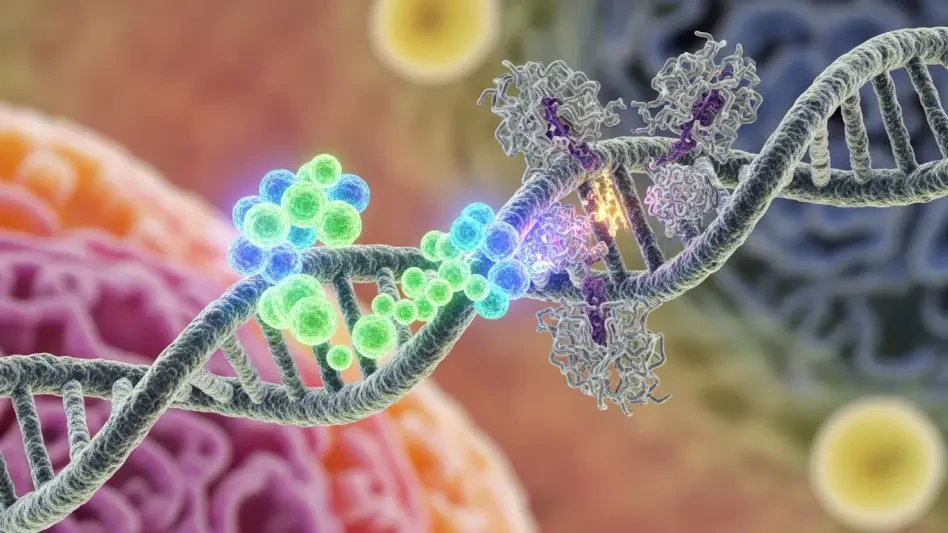

The dream of correcting genetic “typos” has evolved from a speculative laboratory theory into a tangible lifeline for families facing the most aggressive forms of neuromuscular degeneration. In the specific context of Duchenne muscular dystrophy (DMD), the biological necessity of restoring the dystrophin protein has led to the emergence of exon skipping as a mainstream therapeutic strategy. This technology, often described as a molecular band-aid, offers a unique way to bypass mutations that would otherwise halt protein production entirely. By utilizing synthetic genetic molecules, scientists have moved toward a gene-corrective landscape where a terminal diagnosis no longer dictates a fixed outcome.
Mechanisms of Action and Core Components
Molecular Mechanism: Antisense Oligonucleotides (ASOs)
Antisense oligonucleotides serve as the precision tools of this therapy, binding to pre-messenger RNA to influence the splicing process with remarkable specificity. These biochemically engineered molecules are designed to mask certain genetic sequences, effectively tricking the cellular machinery into “skipping” over faulty sections. This capability ensures that the resulting protein isoform remains functional, even if it is slightly shorter than the natural version. The performance of these molecules depends heavily on their ability to stay stable within the bloodstream and penetrate the targeted muscle cells before being cleared by the body.
Restoring the Genetic Reading Frame
Technically, the success of this intervention hinges on the restoration of the genetic reading frame, allowing the cell to read past a mutation that would otherwise cause a premature stop. Converting a severe, non-functional phenotype into a milder, manageable condition is the primary goal of this mechanical shift. While early-generation molecules often struggled with low potency, newer chemical structures have demonstrated a much more robust ability to achieve consistent skipping. This technical evolution marks a shift from merely slowing decline to actively maintaining muscle integrity across various muscle groups.
Recent Innovations and Clinical Developments
Clinical trial data has recently reached a turning point, showcasing results that have truly stunned the research community. The previous era of ambiguous biomarker data is being replaced by measurable improvements in patient physical outcomes, such as sustained mobility and respiratory strength. Innovations in next-generation chemistries are solving the historical problem of drug delivery, ensuring that therapeutic concentrations reach deep into muscle tissue rather than just the superficial layers. Furthermore, the relentless push from patient-led advocacy groups has accelerated these scientific shifts, forcing a faster transition from experimental concepts to validated clinical practice.
Real-World Applications and Sector Impact
The role of the pharmaceutical industry, particularly pioneers like Sarepta Therapeutics, has been instrumental in scaling these complex therapies for global distribution. Beyond the data, case studies of long-term survivors show that early intervention can fundamentally change the trajectory of pediatric terminal conditions. This impact has forced the healthcare sector to rethink its approach to rare diseases, shifting toward personalized genetic portfolios rather than one-size-fits-all treatments. The ability to treat diverse mutations within the DMD community proves that the platform is adaptable, providing a blueprint for addressing other genetic anomalies.
Regulatory Hurdles and Ethical Challenges
The path to approval was characterized by intense internal friction within the FDA, leading to what some described as a regulatory civil war over efficacy standards versus patient need. Financial obstacles remain significant, as the high cost of treatment and the billions in revenue generated have sparked debates about the balance of profit and patient access. Technical limitations, such as the requirement for frequent dosing and the difficulty of reaching the heart muscle effectively, continue to be areas of concern. Establishing clearer, standardized regulatory pathways for rare disease genetic therapies is now a priority to avoid the inconsistencies of the past.
Future Outlook and Technological Trajectory
Systemic delivery methods are poised for a breakthrough through the use of peptide-conjugated oligonucleotides, which promise to enhance tissue uptake significantly. This trajectory suggests that exon skipping will soon transition from a niche intervention to a standard of care for a wide array of splicing-related disorders. While CRISPR and other gene-editing tools are often viewed as rivals, they are increasingly seen as potential collaborators that might one day provide permanent fixes alongside temporary ASO treatments. The focus is shifting toward making these therapies more accessible and less invasive, ensuring that the next generation of patients receives treatment earlier.
Exon-skipping technology successfully transitioned from a long-shot experimental theory to a validated medical breakthrough that redefined life expectancy for many. The journey through regulatory skepticism and technical hurdles eventually paved the way for a more nuanced understanding of genetic medicine. While the financial costs remained high, the tangible improvements in quality of life for patients suggested that the therapeutic value justified the initial controversy. Moving forward, the integration of these molecular tools into broader healthcare systems indicated a shift toward a future where genetic errors were no longer viewed as irreversible.