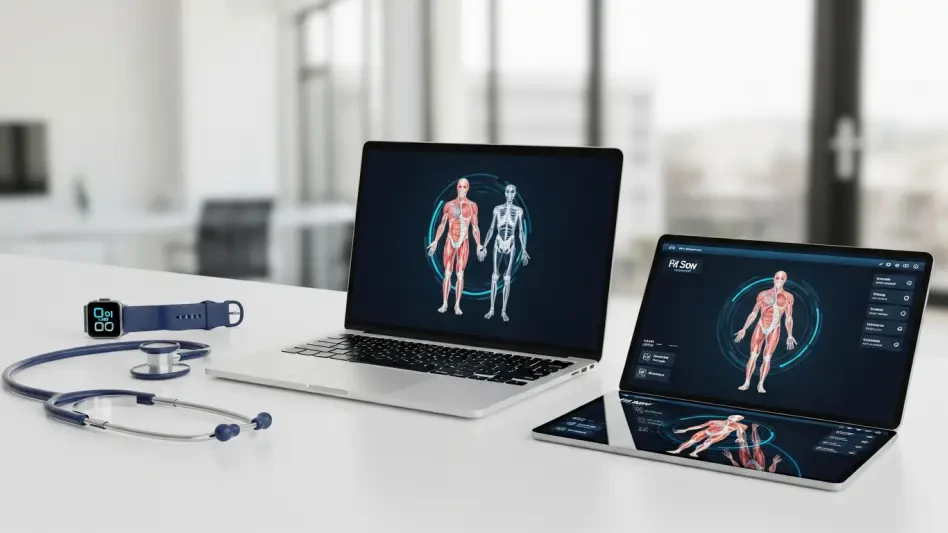

The traditional image of a nursing student huddled over a heavy paper textbook in a crowded lecture hall has largely been replaced by a dynamic, tech-integrated experience that reflects the high-stakes environment of modern hospitals. This evolution represents a fundamental shift in how medical knowledge is disseminated and internalized across the globe, prioritizing agility and technological literacy over static memorization. As healthcare systems grapple with increasing patient complexity and a growing need for specialized care, academic institutions have responded by dismantling the silos of purely campus-based instruction. Modern programs now leverage a sophisticated array of digital platforms that provide students with continuous access to current medical data and evidence-based practices. This proactive integration ensures that the next generation of healthcare workers is not only proficient in clinical procedures but also comfortable operating within a digitized professional landscape. By embracing these advancements, nursing education has successfully moved beyond its historical limitations.
Overcoming Barriers: Flexible Pathways to Healthcare Careers
Traditional educational models often presented significant hurdles for aspiring nurses who had to navigate the rigid constraints of fixed schedules and physical attendance requirements. Many talented individuals were previously deterred from entering the profession because they could not balance intensive coursework with their existing employment or family obligations. However, the rise of remote learning opportunities has democratized entry into the field, allowing students from diverse backgrounds to pursue their degrees without sacrificing their financial stability. By utilizing asynchronous digital tools, universities can offer a more inclusive environment that accommodates various life circumstances, effectively widening the pipeline of potential candidates. This flexibility is not just a convenience; it is a strategic necessity for addressing the critical shortage of nursing professionals in current healthcare systems. Digital delivery methods allow for a broader recruitment reach, ensuring that the talent pool remains robust and reflective of the communities served.
The implementation of a blended learning model has emerged as a particularly effective middle ground that upholds the rigorous academic standards expected in the medical field. In this structured approach, students engage with complex theoretical material through interactive online modules, high-definition recorded lectures, and collaborative digital workspaces. This setup empowers learners to digest intricate physiological and pharmacological concepts at their own pace, revisiting difficult topics as needed until mastery is achieved. Once the foundational knowledge is secured through these digital channels, students then transition into traditional hands-on clinical rotations where they can apply their theoretical understanding to real-world patient care. This hybrid strategy maximizes the efficiency of the educational process, ensuring that the limited time spent in a physical laboratory or hospital setting is focused entirely on the development of practical skills. It represents a sophisticated synthesis of modern technological convenience and the essential traditions of clinical training.
Virtual Technology: Advancing Clinical Skills in Controlled Settings
Sophisticated virtual technology has completely transformed the way nursing students develop their clinical judgment without exposing actual patients to the risks associated with novice errors. Interactive software platforms now allow learners to navigate complex administrative workflows and simulate peer-to-peer consultations within a secure digital environment. These tools provide a comprehensive view of the modern medical infrastructure, teaching students how to manage patient data and coordinate care across multidisciplinary teams efficiently. By mastering these digital systems early in their training, students can focus more of their mental energy on diagnostic reasoning and treatment planning when they eventually enter the workforce. This exposure to the administrative side of medicine is crucial, as it mirrors the realities of contemporary practice where data management is as important as bedside manner. Furthermore, these platforms encourage a collaborative spirit by enabling students to share insights and troubleshoot medical scenarios in virtual forums.
High-fidelity virtual simulations serve as a cornerstone of modern nursing pedagogy, offering a realistic space where students can manage life-threatening emergencies in a controlled setting. These immersive scenarios replicate the intensity of a hospital floor, challenging learners to respond to critical events such as cardiac arrest, respiratory failure, or complex medication interactions. In these virtual environments, the consequences of every decision are immediately visible, providing a powerful feedback loop that reinforces correct procedures and highlights areas for improvement. Unlike traditional classroom discussions, these simulations require students to act decisively under pressure, bridging the gap between theoretical knowledge and practical execution. This level of preparation is invaluable for building the confidence necessary to handle the high-stress situations common in acute care. By the time graduates reach their first professional placement, they have already navigated dozens of crisis scenarios, significantly reducing the learning curve.
Expanding Access: Reaching Underserved Communities Through Digital Tools
Digital platforms are fundamentally changing the geographic landscape of nursing education by democratizing access for individuals living in rural or historically underserved regions. In the past, students residing far from major metropolitan centers were often forced to relocate or endure long commutes to attend accredited nursing programs. Today, however, digital innovations enable these students to complete a significant portion of their didactic training from within their own communities, utilizing local healthcare facilities for their required clinical hours. This localized approach not only reduces the financial burden on the student but also incentivizes them to remain in their home regions after graduation to serve the local population. By supporting this decentralized model, educational institutions are playing a direct role in mitigating the uneven distribution of healthcare providers across the country. This shift ensures that high-quality medical education is no longer a privilege restricted to those living in urban hubs.
The rapid integration of electronic health records and telehealth services into everyday hospital operations necessitates a workforce that is natively fluent in modern digital tools. Nursing education has adapted by incorporating these specific technologies into the curriculum, ensuring that students are proficient in navigating the systems they will use daily. By practicing with simulated health records and conducting mock telehealth consultations, future nurses gain a deep understanding of data privacy, digital communication etiquette, and remote patient monitoring. This technical fluency is essential for maintaining accuracy in patient documentation and ensuring seamless communication within modern healthcare teams. Furthermore, the use of video conferencing and online project management tools during their studies prepares students for the collaborative nature of contemporary medicine. As the industry continues to lean into digital solutions for patient management, graduates who possess these specialized skills are much better equipped to provide efficient, high-quality care.
Maintaining Values: Balancing Technology With Human Centric Care
Despite the myriad benefits provided by digital innovation, the most successful nursing programs recognize that technology must remain a supplement to the human-centric core of the profession. While virtual tools can simulate various medical conditions, they cannot replace the development of genuine empathy, emotional intelligence, and the tactile skills required for physical assessment. Effective curricula strike a delicate balance by using digital efficiency to handle information-heavy subjects, thereby freeing up more time for in-person mentorship and compassionate patient interaction. This ensures that while students are technologically savvy, they remain deeply grounded in the human experience of illness and recovery. The goal is to produce a nurse who is equally comfortable operating a complex ventilator and offering a comforting hand to a grieving family member. By maintaining this focus on the holistic nature of care, schools preserve the essential identity of nursing as both a high-tech science and a deeply personal art form.
The recent shifts in nursing education established a robust framework that successfully integrated digital agility with the traditional demands of clinical excellence. Educators observed that the transition toward flexible, tech-driven models facilitated a more diverse and technically proficient workforce, which was essential for navigating the complexities of modern medicine. Moving forward, the focus must shift toward creating standardized digital competencies that can be universally recognized across state and international borders to allow for greater nurse mobility. Continuous investment in high-fidelity simulation technology and secure data platforms will be required to ensure that training remains at the cutting edge of medical science. Leaders in the field should prioritize the development of ethical guidelines for the use of artificial intelligence in educational assessments to maintain academic integrity. Ultimately, the industry proved that by embracing innovation, it could better prepare professionals to meet the evolving needs of a global patient population.