
The rapid escalation of mental health crises presenting at emergency departments across the country has forced a critical reexamination of whether these high-intensity environments are truly equipped to handle psychiatric emergencies. As traditional outpatient services and community-based clinics struggle to meet rising demand, the burden of stabilization has shifted onto facilities originally designed for physical trauma and acute physiological illness. This shift created a significant misalignment between the needs of patients in psychological distress and the chaotic, fast-paced nature of the emergency room. Patients often find themselves waiting in windowless rooms for extended periods, a practice known as boarding, which can exacerbate existing symptoms of anxiety, psychosis, or depression. The lack of specialized psychiatric space within these units means individuals requiring quiet and safety are instead subjected to the constant noise of monitors and the unpredictable activity of a trauma center. Consequently, the safety of these environments remains a central concern for administrators and advocates during this transition.
Environmental Safety and Clinical Infrastructure
Physical Hazards: Addressing Ligature Risks and Sensory Overload
Designing an emergency space that accommodates both a cardiac arrest and a suicidal crisis requires a complex balance of visibility and safety that is rarely achieved in older architectural models. In 2026, many hospitals began retrofitting their units to eliminate ligature points and integrate shatter-resistant glass, yet the fundamental layout often remains problematic for behavioral health observation. The presence of medical equipment, such as oxygen tubing or loose electrical cords, presents immediate risks for patients at risk of self-harm, necessitating constant one-to-one observation by staff members.
This intensive level of supervision frequently strains personnel resources, leading to situations where non-clinical security guards are tasked with monitoring vulnerable individuals. Furthermore, the high-stimulus environment of a traditional emergency room can lead to sensory overload, which triggers aggressive behavior in patients who are already in a fragile state. Without dedicated psychiatric wings or specialized stabilization units, the standard medical bay remains a subpar solution that prioritizes physical containment over actual therapeutic progress or recovery for the individual.
Resource Allocation: The Impact of Staffing and Specialized Training
Staffing levels and specialized training represent another critical pillar in determining the overall safety and efficacy of the emergency department for psychiatric populations. Healthcare organizations recognized that a standard medical education did not always provide the comprehensive de-escalation skills required to manage complex behavioral disturbances without the use of physical or chemical restraints. Consequently, investments were channeled into advanced training programs that emphasized trauma-informed care and verbal intervention strategies, which significantly lowered the incidence of patient injury.
Hospitals that successfully navigated this challenge established dedicated psychiatric liaison teams that integrated seamlessly with the general medical staff. These specialized teams provided immediate expert assessment, allowing for faster decision-making regarding admission or discharge. By prioritizing these human resources, facilities moved away from custodial care and toward a model of clinical stabilization and active therapeutic engagement. This transition underscored the importance of having behavioral health experts present in the initial triage phase to prevent the escalation of distress among incoming patients.
Strategic Advancements: Digital Triage and Crisis Stabilization
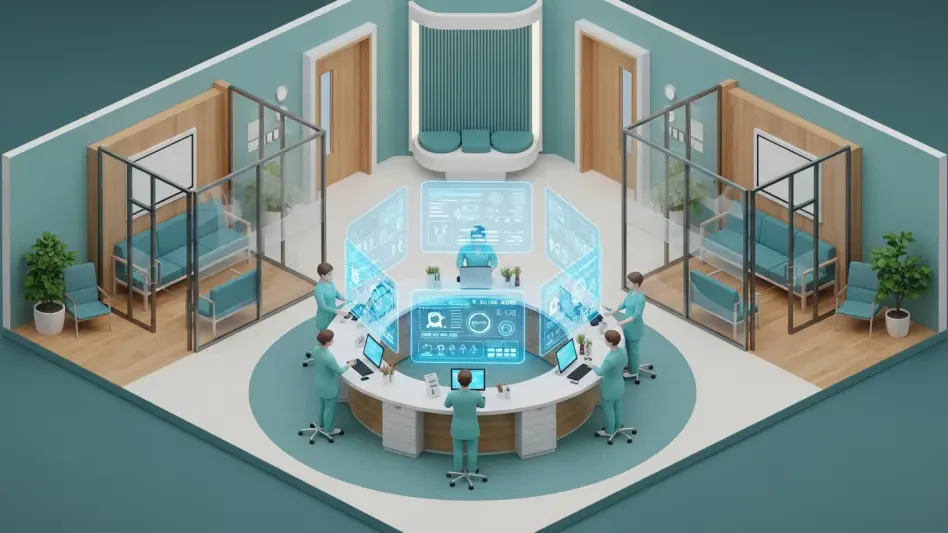
The integration of specialized psychiatric services and tele-health consultation models eventually provided a necessary pathway for improving patient outcomes and reducing the risks associated with boarding. Forward-thinking hospitals established dedicated crisis stabilization units that mirrored the safety of an inpatient ward while remaining accessible for immediate triage from the main emergency department. These facilities utilized integrated digital tracking systems to monitor bed availability across regional networks, ensuring that patients were transferred to appropriate levels of care within hours rather than days.
Clinicians also adopted standardized screening protocols that utilized machine learning to identify high-risk individuals earlier in the intake process. By prioritizing the creation of these specialized environments and fostering collaborations between emergency medicine and behavioral health specialists, the healthcare industry redefined the standards for safety and compassion in crisis care. These advancements proved that while the traditional emergency room was not originally built for psychiatric care, deliberate systemic changes could transform it into a safe and effective gateway for mental health recovery.