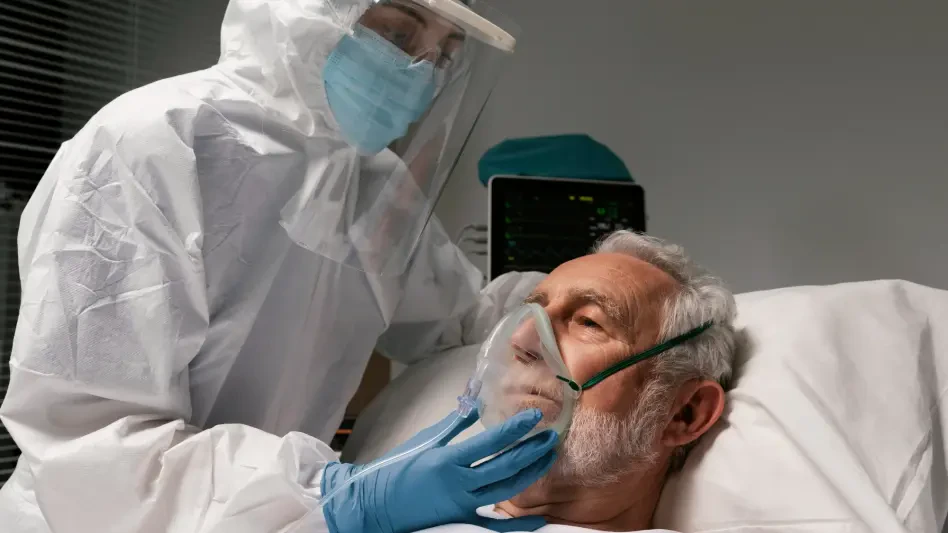

Imagine a loved one, struck by a debilitating condition like ALS or a severe spinal cord injury, struggling to draw a single breath without the aid of a machine, only to discover that the life-saving ventilator they desperately need is just out of reach due to a tangled web of insurance denials and systemic failures. This harrowing scenario is the reality for thousands of critically ill Americans who depend on mechanical ventilators to survive. These devices are not mere equipment but literal lifelines for individuals battling conditions that rob them of the ability to breathe independently. Yet, accessing ventilators, securing proper care, and maintaining any semblance of normalcy often turns into a grueling nightmare. The U.S. healthcare system, despite its vast resources, frequently leaves these vulnerable patients and their families grappling with insurmountable barriers. From relentless battles with insurers to a dire shortage of equipped facilities, the challenges are as complex as they are heartbreaking. This article delves into the layers of this crisis, weaving together personal stories of resilience and despair with stark data and expert insights. It’s a journey through a broken system that demands attention, revealing how logistical, financial, and emotional hurdles converge to threaten lives. Let’s explore the depth of this issue, shining a light on those caught in the struggle and the broader failures that keep them trapped.
Battling for Life-Saving Equipment
For countless patients with severe respiratory conditions, securing an advanced home ventilator is the first, and often most daunting, hurdle in their fight to stay alive. These sophisticated machines, often priced above $10,000, are equipped with critical features like malfunction alarms, portable power sources, and backup batteries—essentials for safety and mobility. However, the path to obtaining them is riddled with obstacles, primarily driven by insurance companies that prioritize cost-cutting over patient well-being. Many insurers impose “fail-first” policies, mandating that patients try cheaper alternatives like BiPAP or CPAP devices, which are designed for less severe conditions like sleep apnea. These alternatives, typically costing around $1,000, lack the robust safety mechanisms of ventilators, putting patients at grave risk of respiratory failure or suffocation, especially during sleep. The delay in approving the right equipment can stretch over months, leaving individuals with declining lung capacity in a state of constant fear and discomfort. Neurologists across the country have voiced frustration over watching their patients suffer while battling bureaucratic red tape. This systemic preference for short-term savings over long-term health outcomes paints a grim picture of a healthcare landscape where profit often trumps compassion, forcing patients into a dangerous waiting game.
Moreover, the human cost of these delays becomes painfully clear through stories like that of Derek McManus, a 56-year-old ALS patient from New York. Derek faced repeated denials from his insurer for an advanced ventilator despite clear medical evidence of his deteriorating condition. Each rejection letter felt like a sentence to suffocation, as his family lived in dread of a fatal mishap. Only after a grueling independent appeal process, which drained their energy and resources, was the decision overturned, granting him the machine he needed to survive. Stories like Derek’s are not isolated but echo across the nation, revealing a pattern of systemic neglect. The emotional toll of fighting for equipment that should be a guaranteed right is immense, layering additional stress on families already stretched thin by the demands of caregiving. Beyond the immediate danger, these delays erode trust in a system meant to protect the most vulnerable. It raises a piercing question: how many lives must be jeopardized before policies shift to prioritize patient safety over financial bottom lines? The struggle for ventilator access isn’t just about machinery; it’s a battle for dignity and the fundamental right to breathe.
Navigating a Shortage of Care Options
Even when a ventilator is secured, finding a suitable care facility for those who cannot manage at home presents another layer of torment for critically ill patients. A staggering reality emerges from recent datonly 347 of the nearly 15,000 nursing homes in the U.S. maintain specialized units for ventilator-dependent individuals. Shockingly, 15 states, including Missouri, have no such facilities at all. This scarcity means that many patients are either stuck in hospitals not designed for long-term stays or forced to relocate across state lines, severing vital family support networks. Even in facilities that do accept ventilator patients, the quality of care often falls short due to insufficient staffing or a lack of trained respiratory therapists. This creates a patchwork system where access to appropriate care depends more on geography and luck than on medical need. The result is a profound disruption to lives already upended by severe illness, as families grapple with the dual burden of managing a loved one’s condition and navigating an unresponsive infrastructure that seems ill-prepared to meet these specialized demands.
Take the case of Michael DiPlacido, an ALS patient from St. Louis, whose search for a care facility became a journey of desperation. Unable to find a local nursing home equipped to handle his ventilator needs, Michael was compelled to move to a facility in Illinois, far from his family and familiar surroundings. The conditions there proved inadequate, with staff unprepared to manage his complex requirements, leading to a decline in his well-being. Ultimately, at great personal and financial cost, he returned home, a decision that underscored the profound lack of viable options. His story mirrors the plight of countless others who face similar dead ends, highlighting a national crisis of care access. This shortage of facilities doesn’t just limit choices; it fractures families, forcing them into impossible decisions between substandard care and unbearable separation. The emotional weight of such choices compounds the physical challenges of illness, painting a stark portrait of a system failing its most fragile citizens. Until more facilities are equipped and staffed to handle these needs, patients like Michael will continue to be caught in a cycle of displacement and disappointment.
The Crushing Weight of Financial Burdens
Beyond the logistical nightmares of securing equipment and care, the financial strain on families of ventilator-dependent individuals often pushes them to the brink of ruin. Opting for home care, which many patients prefer for a sense of independence and comfort, can cost hundreds of thousands of dollars each year due to the need for round-the-clock nursing and specialized aides. Insurance coverage frequently falls short, and public programs like Medicaid come with long waitlists and bureaucratic delays that stretch into months or even years. This leaves families to shoulder staggering out-of-pocket expenses, often draining savings or relying on community fundraisers to bridge the gap. The economic pressure isn’t just a number on a bill; it’s a relentless force that reshapes lives, forcing tough choices between care quality and financial survival. For many, the dream of keeping a loved one at home becomes a luxury they simply can’t afford, driving them toward institutional settings that may not meet emotional or medical needs.
Consider the experience of David Goldstein, a 69-year-old ALS patient in Houston, whose family faced a financial avalanche in their quest to support him. Over half a million dollars were spent on nurses and aides, much of it raised through online campaigns as personal resources dwindled. Even when Texas Medicaid finally stepped in, it authorized only 12 hours of daily home care after more than a year of waiting, leaving the family to cover the remaining hours at their own expense. This patchwork of funding created constant uncertainty, layering economic hardship onto an already grueling situation. David’s story is far from unique; it reflects a broader pattern where inadequate support systems force families into debt or desperation. The ripple effects touch every aspect of life, from sacrificing personal goals to facing the specter of bankruptcy. This financial toll underscores a critical flaw: a healthcare system that fails to provide sustainable solutions risks not just physical health but the economic stability of entire households. Until comprehensive reforms address these gaps, families will continue to bear an unfair burden.
The Hidden Emotional Toll
While the physical and financial challenges of ventilator dependency are glaring, the emotional and psychological impact often lurks in the shadows, just as devastating. Caregivers live with a persistent dread of catastrophic failures—be it a device malfunction or inadequate monitoring—that could lead to suffocation in an instant. This fear doesn’t ebb with time but becomes a constant companion, tainting even moments of rest with anxiety. The burden of ensuring a loved one’s safety around the clock erodes mental well-being, leaving family members feeling trapped in a state of hypervigilance. Patients, meanwhile, confront their own demons: the profound loss of independence and the ever-looming threat of life-threatening complications. This dual struggle creates a heavy atmosphere of stress that permeates households, often without adequate support or recognition from a system more focused on logistics than human emotion. The silent battle waged in hearts and minds is a critical, yet often overlooked, piece of this crisis.
Lesley McManus, for instance, faced nightly torment worrying about her husband Derek, whose basic respiratory device lacked critical safety alerts. Each evening brought the chilling possibility that he might suffocate during sleep, a fear that kept her on edge and eroded any chance for peace. This anxiety wasn’t just about one night; it was a recurring nightmare fueled by the knowledge that better equipment existed but was withheld by systemic barriers. For patients like Derek, the emotional weight is equally crushing, as they grapple with diminished autonomy and the constant reminder of their fragility. Beyond individual fears, the collective stress of navigating insurance denials and scarce care options amplifies feelings of helplessness. Families often find themselves isolated, caught in a struggle that feels invisible to the broader world. This emotional erosion highlights a desperate need for mental health resources and systemic empathy—elements glaringly absent in current frameworks. Addressing these hidden wounds is as vital as solving logistical issues, for without it, the human spirit risks breaking under the strain.
Unmasking Systemic Healthcare Failures
At the heart of the ventilator access crisis lies a deeper, more insidious problem: systemic failures within the U.S. healthcare framework that disproportionately harm the most vulnerable. Experts point to woefully inadequate Medicaid reimbursement rates as a driving force behind the lack of investment in ventilator care. Many states fail to provide sufficient funding, disincentivizing nursing homes from establishing specialized units or hiring trained staff. This financial shortfall creates a vicious cycle where facilities avoid taking on complex cases, further limiting options for patients. Additionally, payment structures rarely reward quality outcomes, such as weaning patients off ventilators or preventing infections, leading to neglect in some settings. The result is a fragmented system where access to life-saving care hinges on arbitrary factors like location or wealth rather than medical necessity, exposing a profound misalignment between policy and patient needs.
Compounding this issue are stark geographic disparities that leave entire regions as “ventilator deserts,” particularly in rural areas where specialized facilities are virtually nonexistent. Urban centers might offer more options, but even there, capacity and quality fluctuate wildly, often leaving patients without guaranteed care. Worse still, looming Medicaid cuts—potentially slashing nearly $900 billion from budgets—threaten to deepen this crisis. Reduced funding could suffocate innovative care models and restrict home-based services, options that have shown promise in improving quality of life. Policy experts warn that without a shift in priorities, these cuts will exacerbate existing inequities, hitting low-income families hardest. The broader implication is clear: a healthcare system fixated on cost containment over patient outcomes fails to uphold its fundamental purpose. Until reimbursement rates improve, training expands, and geographic gaps are addressed, critically ill Americans will remain ensnared in a web of bureaucratic neglect.
Charting a Path Forward
Reflecting on the struggles faced by ventilator-dependent Americans, it’s evident that the battles fought over equipment, care facilities, and financial support revealed a system in dire need of overhaul. Families like those of Derek McManus, Michael DiPlacido, and David Goldstein endured insurance denials, inadequate facilities, and crippling costs, often sacrificing their own stability to keep loved ones alive. Their stories, backed by data showing a scant 347 nursing homes with ventilator units out of nearly 15,000 nationwide, painted a landscape of despair and resilience. The emotional toll, too, lingered long after each decision, with caregivers and patients alike haunted by fears of suffocation and loss. These challenges, rooted in systemic flaws like poor reimbursement rates and geographic disparities, underscored a healthcare framework that had failed to prioritize the most vulnerable.
Looking ahead, actionable steps must emerge from this sobering reality. Policymakers and insurers should collaborate to eliminate “fail-first” policies, ensuring swift access to advanced ventilators based on medical need rather than cost. Investment in specialized care units, particularly in underserved rural areas, must become a priority, alongside increased Medicaid funding to support both facilities and home care options. Training for respiratory therapists and nursing staff should be expanded to elevate care quality. Furthermore, integrating mental health support for families navigating this crisis can address the unseen scars. Innovative models, such as resident-centered care facilities, deserve replication through public-private partnerships to prove that better outcomes are possible. These steps, though ambitious, offer a blueprint to transform a nightmare into a system of hope and equity for those who need it most.