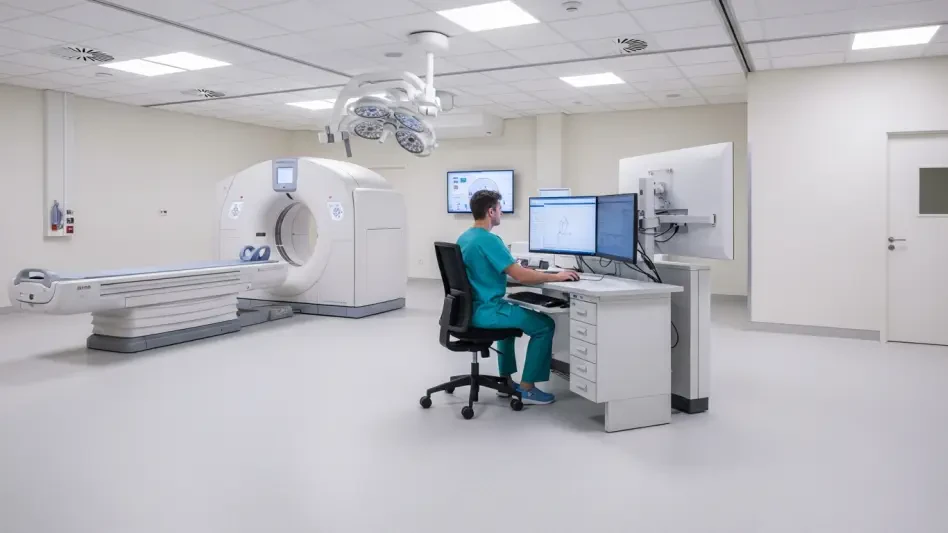

The recent inauguration of the Bethesda Medical Plaza in Addis Ababa marks a definitive turning point for the Ethiopian healthcare landscape, effectively challenging the long-standing reliance on international medical travel for complex surgical and diagnostic procedures. This transition signals a broader maturation of the East African healthcare market, where the emphasis is shifting from basic curative services toward highly specialized, technology-driven interventions. As regional economies stabilize, the demand for sophisticated domestic infrastructure has reached a critical mass, prompting private investors to replace traditional clinic models with comprehensive medical hubs.
The shift toward multi-disciplinary hospital systems reflects a strategic response to the growing middle class and an expanding expatriate community. Key market players are no longer content with providing primary care; instead, they are investing in high-tech urban centers that serve as anchors for national health security. By localizing advanced treatments, Ethiopia is positioning itself to reduce its historical dependence on foreign healthcare providers, which in turn fosters economic independence and retains vital human capital within the borders.
The Evolution of Private Healthcare Infrastructure in the East African Region
Assessing the current state of specialized private medical facilities in Ethiopia reveals an aggressive expansion phase characterized by the integration of sub-specialties like oncology and cardiology. The previous era of fragmented primary care clinics is rapidly giving way to integrated hospital systems that offer a continuum of care under one roof. This structural transformation is necessary to handle the increasing burden of non-communicable diseases that require long-term management and advanced technological support.
High-tech investments in urban centers like Addis Ababa are reshaping the competitive landscape, forcing existing providers to upgrade their diagnostic capabilities. These localized healthcare solutions play a critical role in stabilizing national health security by ensuring that emergency and complex care remain accessible even during global travel disruptions. Consequently, the influence of private equity in the medical sector is driving a new standard of excellence that parallels international benchmarks.
Modernizing Diagnostic Standards and Specialized Medical Services
Emerging High-Tech Trends and the Vertical Medical City Concept
The architectural landscape of Addis Ababa is evolving with the introduction of vertical medical cities, which maximize limited urban space through high-density, multi-functional design. Bethesda Medical Plaza exemplifies this trend by utilizing a seven-story structure and a technologically dense basement level to house critical infrastructure. This verticality allows for a seamless patient flow, where diagnostic hubs are positioned for immediate access while inpatient wards occupy the quieter upper floors, optimizing the healing environment.
Innovation extends beyond the physical layout into the clinical application of robotics-assisted cardiac laboratories and 160-slice CT imaging. These tools allow for unprecedented precision in vascular procedures and high-resolution diagnostics with significantly reduced radiation exposure. To complement these advancements, the facility incorporates sophisticated infection control measures, such as negative-pressure ventilation in isolation units and sterile positive-pressure theaters. This commitment to precision medicine is further supported by advanced microbiology labs that provide targeted antibiotic sensitivity testing to combat drug-resistant pathogens.
Economic Indicators and the Drive to Curtail Outbound Medical Tourism
Market data suggests that Ethiopia has faced a consistent drain on foreign currency reserves due to citizens seeking specialized treatment in India, Thailand, or the Middle East. Performance indicators for the private healthcare sector now show an increased capacity to absorb this demand locally, provided the technology remains at a world-class level. By offering competitive specialized care, facilities like Bethesda Medical Plaza aim to keep healthcare expenditures within the domestic economy, supporting the stability of the local currency.
Growth projections for specialized diagnostic services in the Horn of Africa indicate that Ethiopia could become a regional hub for medical excellence. As localized facilities prove their efficacy, the trust in domestic healthcare is expected to rise, further discouraging outbound medical tourism. This shift not only benefits individual patients through reduced travel costs but also enhances the regional competitiveness of the Ethiopian medical market in the eyes of international investors.
Navigating the Complexities of High-Cost Medical Infrastructure
Maintaining sophisticated medical equipment in a developing market presents significant technical challenges, particularly regarding the availability of specialized spare parts. Strategies to address these hurdles involve forming direct partnerships with global equipment manufacturers to ensure consistent maintenance schedules and technical support. Without a robust local supply chain for consumables, even the most advanced hospitals risk operational downtime, making logistics management as vital as clinical expertise.
Bridging the specialized labor gap remains a priority, as the operation of high-tech machinery requires highly skilled professionals who are often recruited from international markets. Retaining this talent involves creating a work environment that offers both professional fulfillment and competitive compensation. Balancing these high investment costs with patient affordability is a delicate task, requiring innovative billing structures and potentially expanding the role of private health insurance to ensure that advanced care is not restricted to the ultra-wealthy.
Strengthening Standards through Health Policy and Compliance Frameworks
The regulatory landscape for private hospitals in Ethiopia is becoming increasingly stringent, with a focus on aligning local operations with international accreditation standards. This shift is monitored closely by the Ministry of Health, which supervises high-tech installations to ensure they meet safety and efficacy requirements. Stringent hygiene and safety regulations now dictate everything from the type of antibacterial flooring used in surgical suites to the complexity of centralized oxygen delivery systems.
Data security and patient privacy have also become paramount as hospitals transition to a digital heart infrastructure. Maintaining electronic health records within a secure framework is essential for building patient trust and ensuring the continuity of care across different specialties. These compliance frameworks act as a safeguard, ensuring that the rapid technological advancement of the private sector does not come at the expense of ethical standards or patient safety.
The Future Landscape of Specialized Tertiary Care in Ethiopia
Projecting the impact of robotic surgery and AI-driven diagnostics suggests a future where patient outcomes are significantly improved through minimally invasive techniques and faster recovery times. These technologies will likely catalyze new opportunities for public-private partnerships, particularly in the realms of specialized medical education and clinical research. As the local workforce becomes more proficient with these tools, Ethiopia could emerge as a primary destination for medical training in the East African region.
Consumer preferences are already evolving, with a clear trend toward localized treatment options that offer the same quality of care as international facilities without the logistical burdens of travel. While global economic conditions may influence the pace of investment, the momentum toward specialized tertiary care appears resilient. Potential market disruptors, such as the integration of tele-robotics, could further bridge the gap between urban centers and rural areas, decentralizing access to high-end medical expertise.
Final Assessment of Bethesda’s Impact on Regional Health Security
The establishment of Bethesda Medical Plaza served as a catalyst for redefining medical standards across the region by demonstrating that high-tech infrastructure was viable within the Ethiopian context. This project successfully integrated advanced diagnostic tools with rigorous infection control protocols, providing a blueprint for future developments. The facility proved that specialized services could reduce the national dependence on foreign medical services while simultaneously fostering a new era of clinical excellence.
Stakeholders recognized that the sustainable integration of such high-tech services required a collaborative approach between the private sector and regulatory bodies. The long-term viability of these medical plazas was found to be dependent on their ability to maintain equipment and retain specialized staff under varying economic pressures. Ultimately, the successful deployment of this facility strengthened the regional healthcare ecosystem and offered a compelling model for high-end medical investment across the African continent.